

Fabric Knowledge
What Is Woven Fabric? Warp, Weft and the Basic Weaves
Woven fabric is made by interlacing warp and weft yarns at right angles. How it differs from knitted fabric, plain, twill and satin weaves, and what to specify when requesting a quote.
- Published:
- Last updated:
- Reading time
- 6 min read
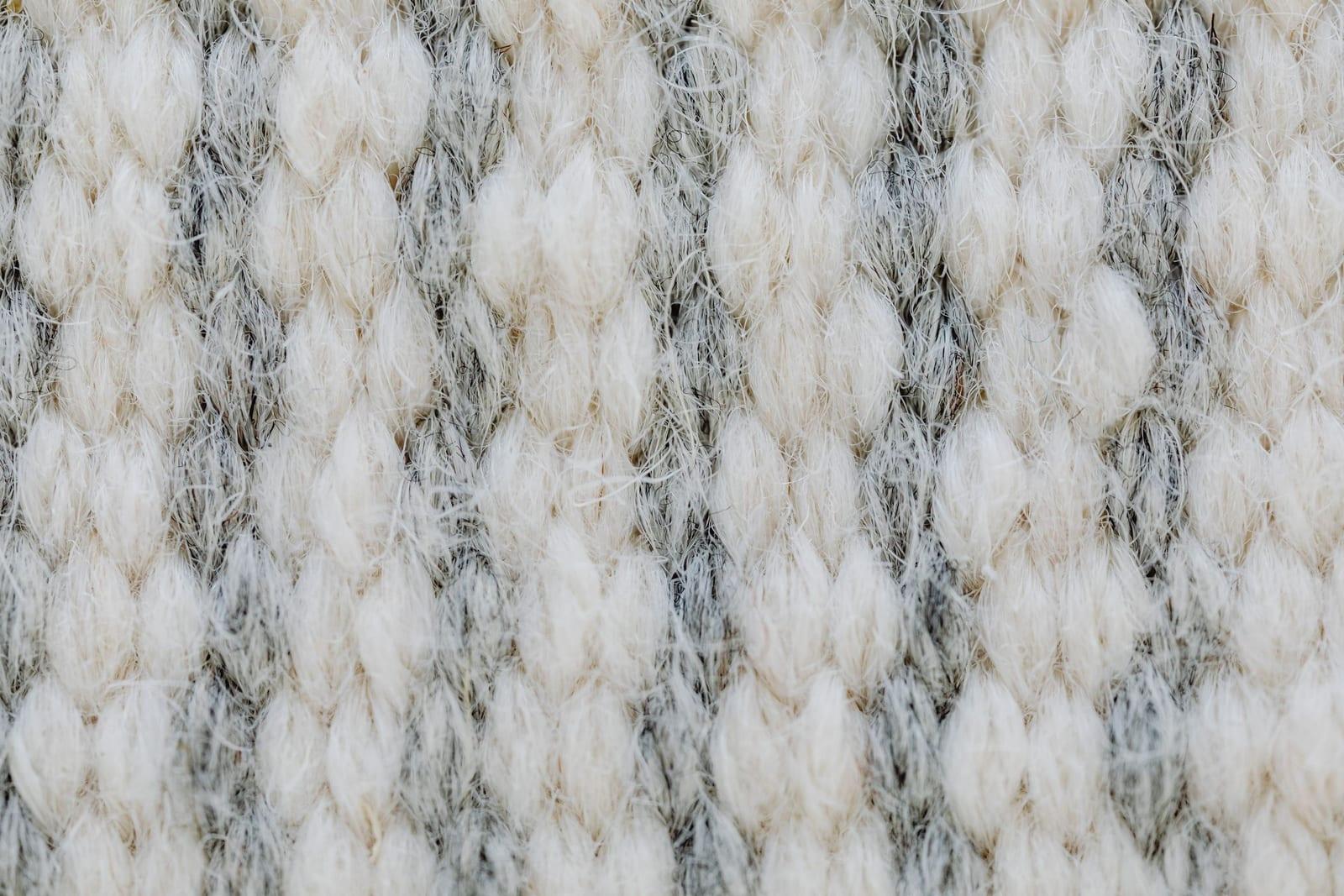
Contents
Most suiting, dress, shirting and trouser fabrics are woven fabrics. Terms that appear on quotes and technical sheets, such as "plain weave", "twill", "satin" or "warp density", all relate directly to the woven construction. Knowing them makes sample evaluation and supplier communication considerably easier.
This guide gives collection and sourcing teams a plain-language overview of how woven fabric works, how it differs from knitted fabric and which weaves are most common.
Short Answer
Woven fabric is produced on a loom by interlacing warp yarns, which run along the length of the fabric, with weft yarns, which run across its width, at right angles. The pattern in which the yarns pass over and under each other is called the weave; the most common basic weaves are plain, twill and satin. Woven fabrics generally stretch less than knitted fabrics and hold their shape better, which is why they are widely used in structured garments such as suits, jackets, trousers, shirts and dresses.
Summary
- Warp yarns run along the length of the fabric; weft yarns run across the width.
- The weave directly affects the fabric's appearance, hand, drape and durability.
- Plain weave is the simplest and most tightly interlaced; twill forms diagonal lines; satin gives a smooth, lustrous surface.
- Dobby and jacquard systems create patterns within the weave itself.
- Alongside the weave, composition, weight, width and density should be specified.
- Unless they contain a fibre such as elastane, woven fabrics have limited stretch.
What Does "Woven Fabric" Mean?
Weaving is a fabric-making method in which two separate yarn systems are interlaced. The yarns stretched lengthwise on the loom are the warp; the yarn inserted across them is the weft. On each pass the weft goes over some warp yarns and under others, and this repeating sequence forms the fabric's weave.
Along both side edges there is usually a more tightly woven selvedge that stabilises the structure. The selvedge always runs parallel to the warp, so it gives a practical reference for telling length and width apart when cutting.
Woven vs Knitted Fabric
Weaving and knitting are the two main ways of making fabric. The difference lies in how the yarns are joined: in weaving, two yarn systems cross at right angles; in knitting, the yarn forms interlocking loops.
| Property | Woven fabric | Knitted fabric |
|---|---|---|
| Structure | Warp and weft cross at right angles | Yarn interlocks in loops |
| Stretch | Usually limited; can be increased with elastane or special constructions | More stretchy by nature |
| Shape retention | High; suits structured garments | Softer and closer to the body |
| Typical products | Suits, jackets, trousers, shirts, dresses | T-shirts, sweatshirts, underwear, knitwear |
This is not a quality ranking; the two methods meet different end-use needs.
The Basic Weaves
The vast majority of woven fabrics are based on three basic weaves or their derivatives.
| Weave | Surface appearance | Key characteristic | Common examples |
|---|---|---|---|
| Plain | Flat, both sides similar | Tight interlacing, firm and matte | Poplin, cambric, taffeta, many linings |
| Twill | Diagonal lines | Better drape, dense and durable | Gabardine, serge, denim, herringbone variants |
| Satin | Smooth and lustrous | Long floats, fluid drape | Satin, some lining and eveningwear fabrics |
Plain weave
Each weft yarn passes over one warp yarn and under the next. As the most tightly interlaced weave, it produces a firm, even surface and is common in shirting and summer fabrics.
Twill
The interlacing points shift by one step on each row, creating diagonal lines on the surface. Twill fabrics generally drape better and show creases less. Twill and its variants are common in suiting; see our guide to suiting fabrics for more.
Satin
The yarns are interlaced at longer intervals, leaving long floats on the surface. This reflects more light and gives a smooth, lustrous face. Because long floats can be more prone to snagging, the end use should be chosen accordingly.
Patterned Weaving with Dobby and Jacquard
Patterns are not always printed; they can also be created during weaving. Dobby systems are used for small, geometric patterns, while jacquard systems, which control each warp yarn individually, produce large and complex designs. Stripes and checks woven with yarns dyed in different colours are known as yarn-dyed fabrics.
These surface and pattern effects are an important part of what collections call fancy fabrics. We cover this separately in our guide to fancy fabrics.
Technical Details That Define a Woven Fabric
The weave alone does not define a fabric. When comparing quotes and evaluating samples, read the following together:
- Composition: Which fibres are used and in what proportions. We explain how composition affects fabric behaviour in our composition guide.
- Weight: Mass per square metre (g/m²). For units and how to read them, see our GSM / fabric weight guide.
- Density: The number of warp and weft yarns per centimetre, which affects the fabric's compactness and hand.
- Yarn count: The fineness or thickness of the yarn (for example in Nm or tex).
- Width: Full width including selvedges and usable width should be stated separately.
- Finishing: Processes such as softening, brushing or calendering can change the hand and appearance.
Where Are Woven Fabrics Used?
Thanks to their shape retention and surface variety, woven fabrics are used across ready-to-wear: suits and jackets, trousers, skirts, dresses, shirts and blouses, waistcoats and outerwear are among the main uses. Choosing correctly for the season requires looking at composition, weight and weave together.
For an overview of the fabric groups Arkadaş Tekstil works with, see the woven fabrics section of our fabrics page.
What to Share When Requesting a Quote
The more clearly you describe your woven fabric requirement, the faster it can be assessed:
- End use and target product (for example men's suits, women's dresses)
- Reference sample or image, if available
- Expected weave or look (plain, diagonal, lustrous, patterned)
- Composition expectation
- Target weight and accepted tolerance
- Fabric width
- Colour, pattern and number of colourways
- Estimated quantity and target delivery date
You can send these details through the form on our Request a Quote page; simply leave blank any fields you are unsure about.
Frequently Asked Questions
Does woven fabric stretch?
Classic woven fabrics have limited stretch compared with knitted fabrics. Adding elastane to the composition or using certain yarns and constructions can give the fabric some stretch. Any stretch requirement should be stated clearly at the sampling stage.
How do you tell the warp from the weft?
The selvedge always runs parallel to the warp: the warp follows the length of the fabric and the weft its width. Without a selvedge, yarn density, twist and how the fabric behaves when pulled can offer clues, but confirming with the supplier is the most reliable approach.
Which weaves are used for suiting fabrics?
Plain weave, twill and their derivatives are common in suiting. Constructions such as gabardine, serge and herringbone belong to the twill family. The choice depends on the collection's appearance, drape and season requirements.
Is woven fabric better quality than knitted fabric?
There is no general quality ranking between the two. Woven fabric excels in structured, shape-retaining garments; knitted fabric in garments where stretch and comfort are expected. The right choice depends on the product's end use.
What is the difference between yarn-dyed and piece-dyed fabric?
In yarn-dyed fabric, the yarns are dyed before weaving; stripes and checks are usually produced this way. In piece-dyed fabric, the fabric is dyed after weaving, which usually results in a solid-coloured surface.
Related Guides
Fabric Knowledge
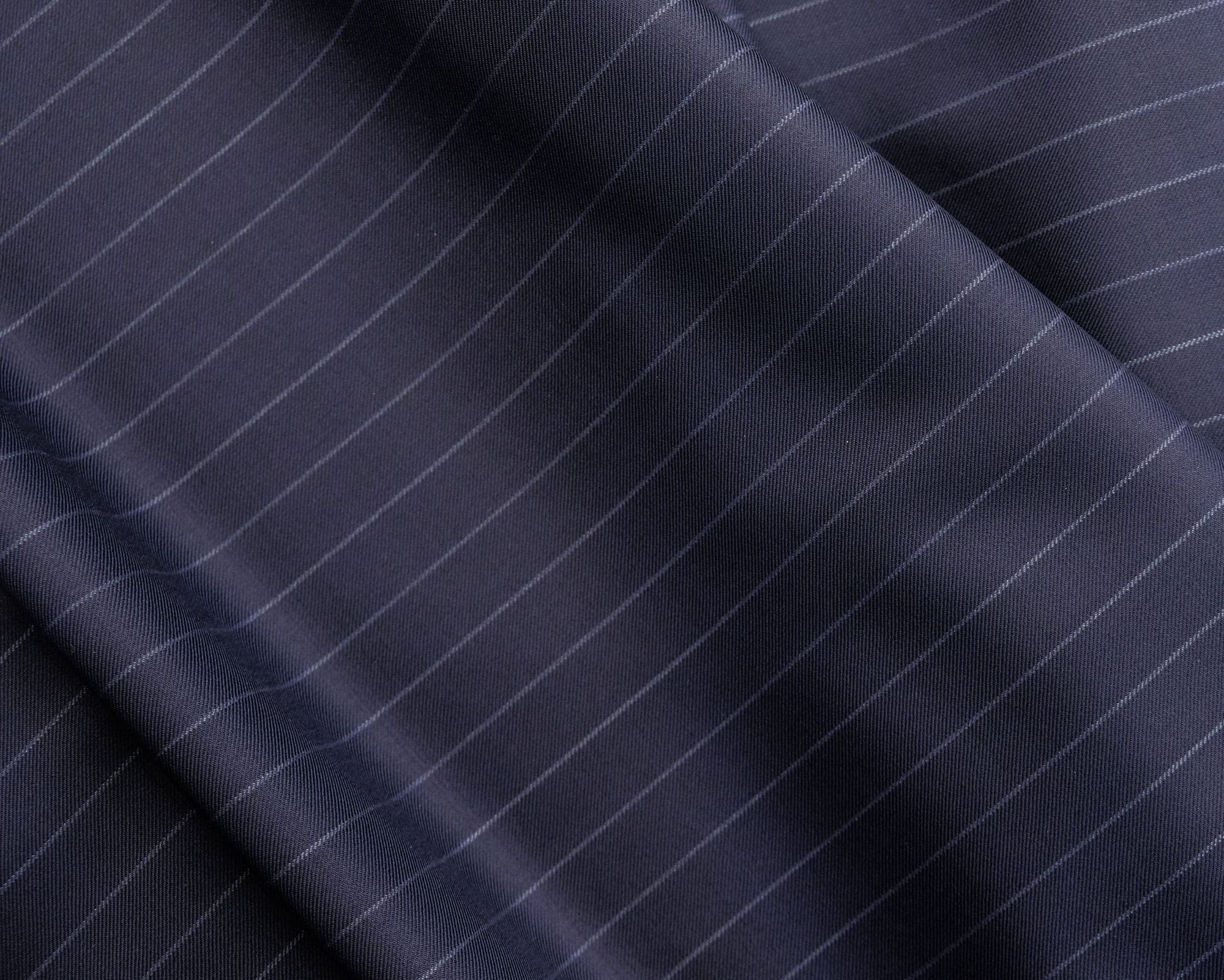
What Is Suiting Fabric? What to Look for When Choosing It
How to assess fibre composition, weight, hand, drape and season when choosing suiting fabric. A sample and information guide for sourcing teams.
8 min read
Fabric Knowledge
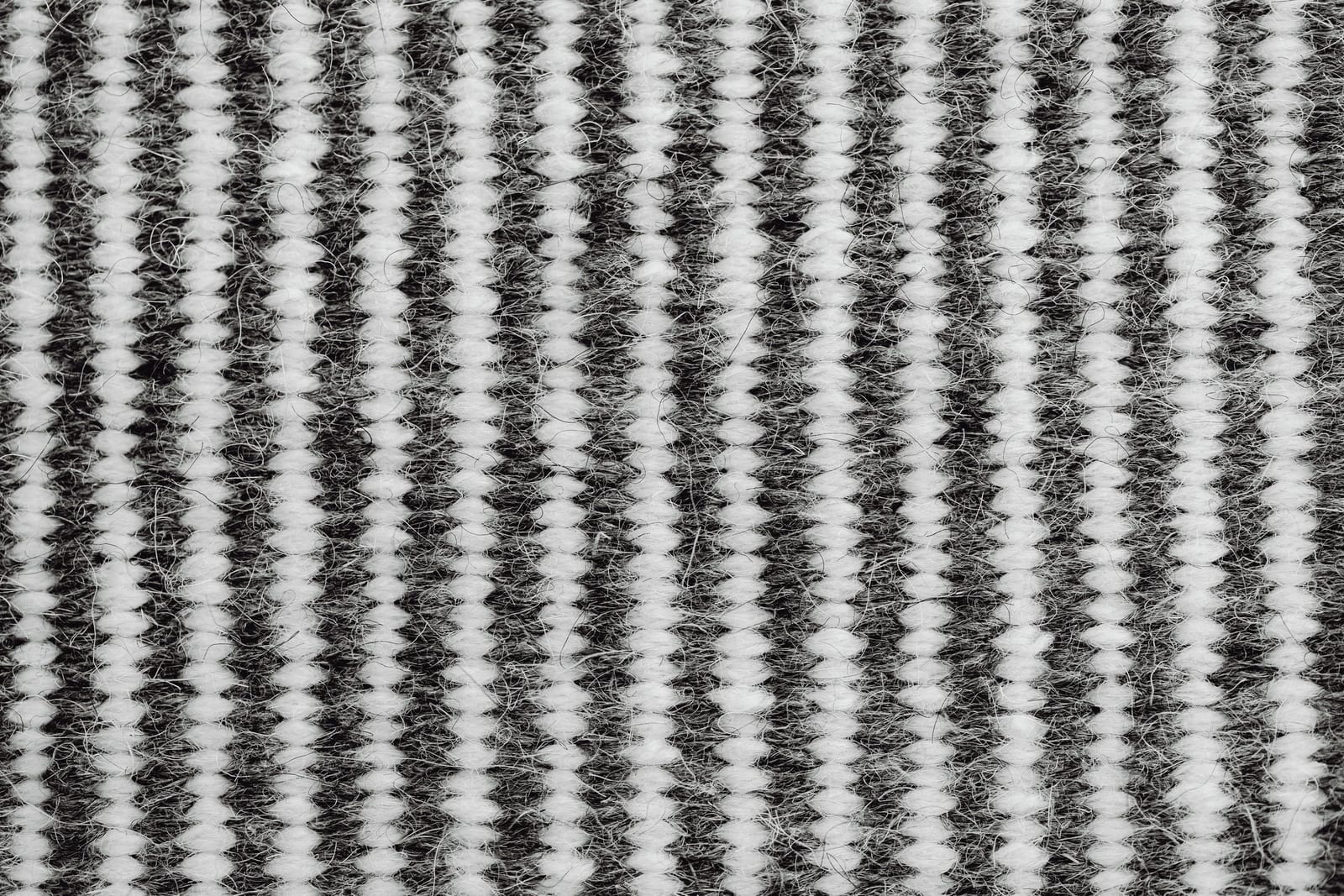
What Is GSM / Fabric Weight?
GSM is the weight of a fabric in grams per square metre. How to read g/m², how it differs from thickness and what to request alongside it when buying.
8 min read
Fabric Knowledge
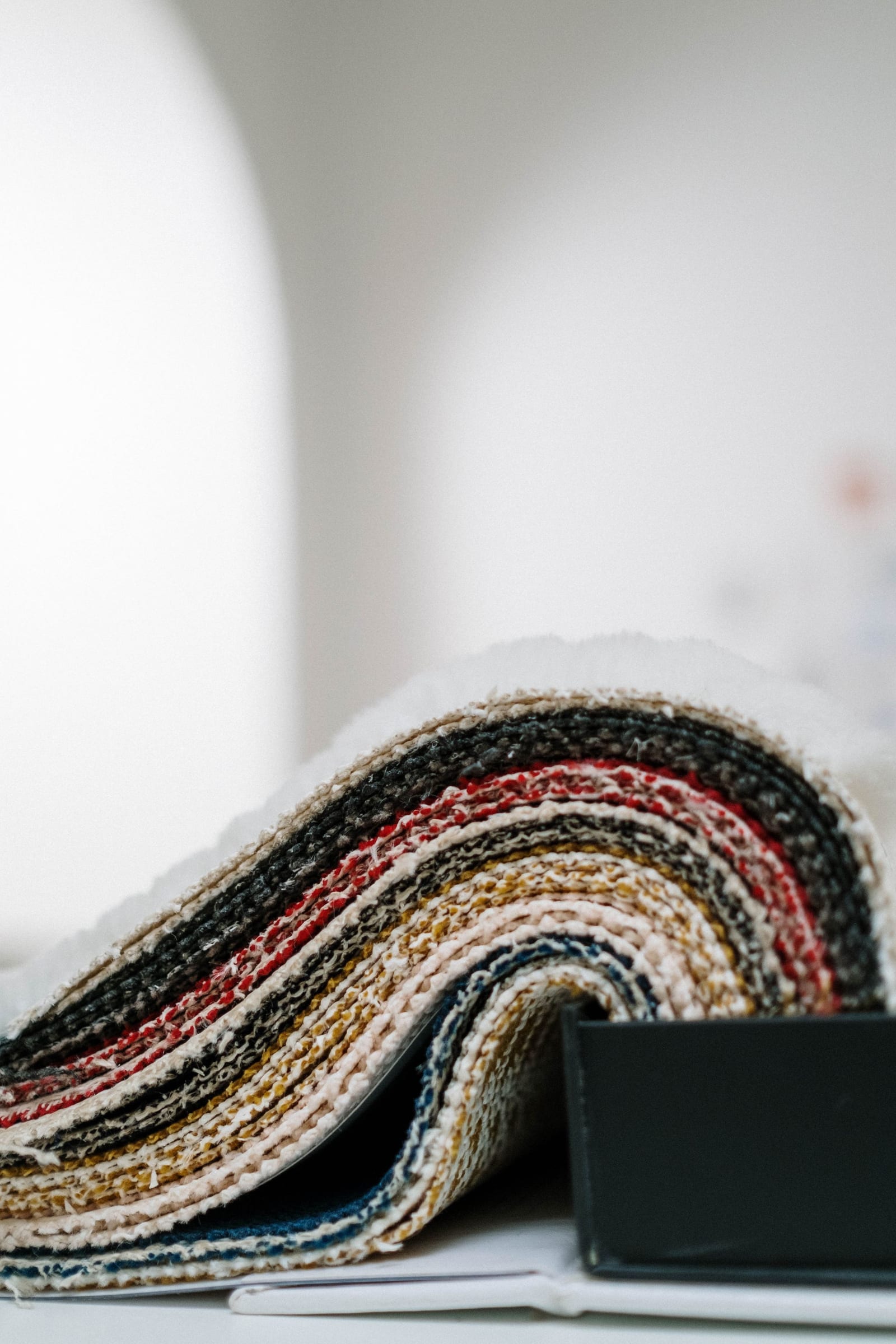
What Is Fancy Fabric? Where Is It Used?
Fancy fabrics are collection fabrics set apart from standard constructions by yarn, texture, pattern and surface effects. Uses, sampling and briefing.
8 min read