

Fabric Knowledge
What Is Fancy Fabric? Where Is It Used?
Fancy fabrics are collection fabrics set apart from standard constructions by yarn, texture, pattern and surface effects. Uses, sampling and briefing.
- Published:
- Last updated:
- Reading time
- 8 min read
Contents
There is a line you often hear in collection meetings: "We're looking for something a little fancier this season." Everyone intuitively understands what is meant, but when it comes to briefing the fabric manufacturer, that phrase alone is not enough. A fabric that one team considers fancy may be fairly standard for another.
This guide looks at how the term "fancy fabric" is used in the industry, the yarn, texture and surface effects that give these fabrics their character, the products they are chosen for, and what collection teams should keep in mind during development.
Short Answer
Fancy fabric (also called novelty fabric) is a broad trade term for fabrics that stand apart from standard, plain constructions through their surface, yarn, texture, pattern or visual character, and that are mostly used to add character to a collection. It is not a single fibre, weaving technique or precisely defined technical class. Effect yarns, dobby or jacquard weaves, melange colour effects, and brushed or relief surfaces can all come under this heading. Fancy fabrics can be used in products such as jackets, blazers, skirts, dresses and outerwear. Because behaviour in use matters as much as appearance, a physical sample and a clear brief are decisive.
Summary
- "Fancy" is not a technical class but a broad trade term for fabrics that stand apart from standard constructions.
- The fancy effect can come from the yarn, the weave structure, the colour combination or finishing processes.
- The same fancy fabric may suit one product and cause problems in another.
- Pattern repeat, surface direction and lot-to-lot differences affect cutting and production planning.
- Instead of the word "fancy", the brief should give a concrete description of the desired effect and a reference sample.
What Does Fancy Fabric Mean?
Fancy fabric is a relative term. What these fabrics have in common is a visual or tactile character that differs from that of a solid-coloured, smooth-surfaced fabric of classic construction. In menswear, the term often calls to mind patterned or textured jacketing fabrics, while in womenswear it may suggest bouclé, metallic or relief surfaces.
In practice, this flexibility creates a communication risk. The supplier and the collection team may use the same word yet have different things in mind. That is why fancy fabric is useful as a category name, but in technical discussions the desired effect should be described by name.
Texture and Surface Effects
Fancy character is often felt on the surface of the fabric. This effect comes from two main sources.
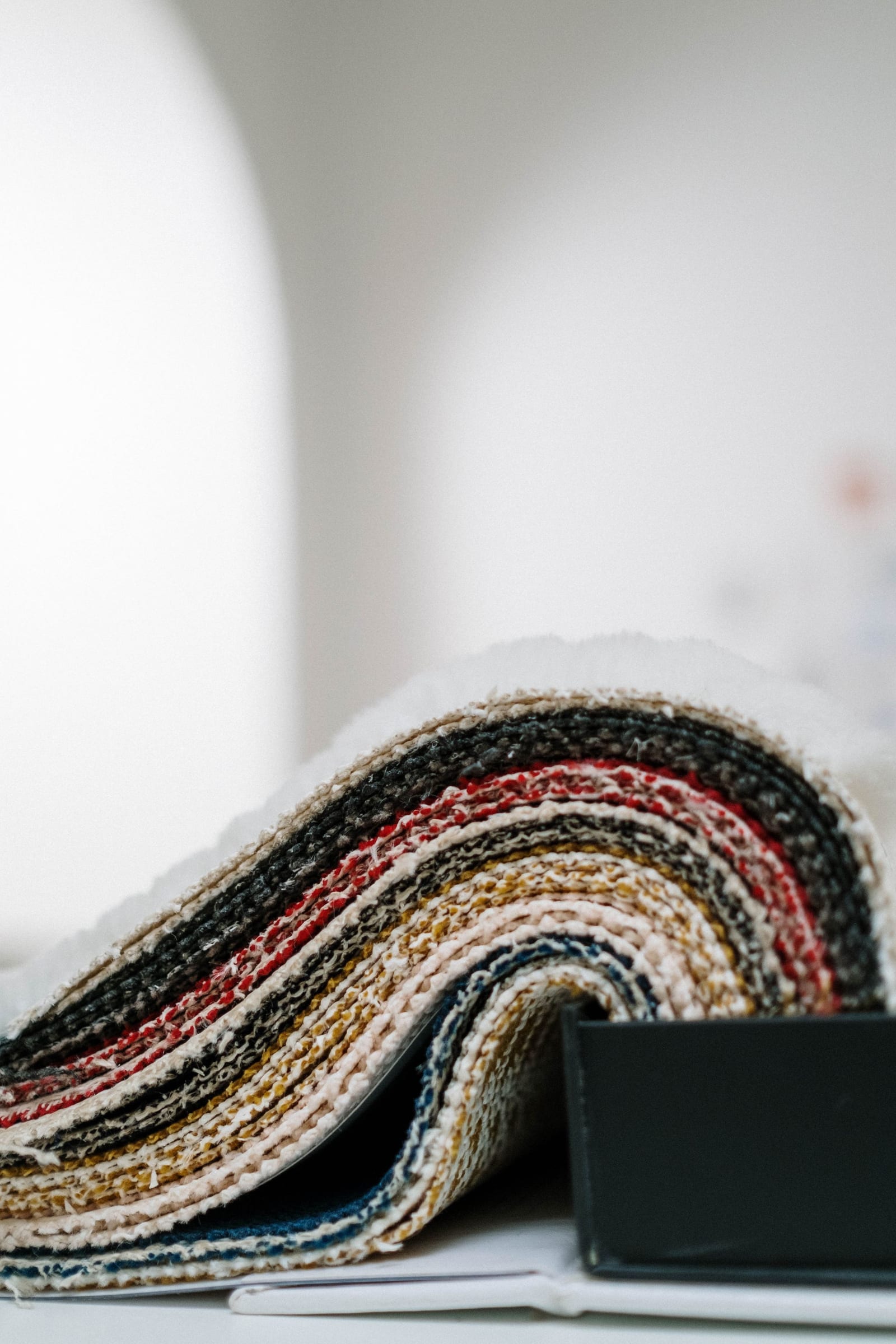
Effects from the weave structure: Dobby weaves create small, repeating geometric motifs. Jacquard weaves allow larger, freer designs. Basket, herringbone and twill variations, as well as double-cloth or relief constructions, create a play of light and shadow on the surface.
Effects from finishing: Processes such as brushing and raising create a nap on the surface, giving a softer, more matt appearance. In wool fabrics, milling (fulling) produces a fuller, more closed surface. Different finishes can shift the hand towards dry, soft or full.
The more pronounced the surface effect, the more behaviour in use matters. On loose or lofty surfaces, the risk of snagging, surface change from abrasion and pilling varies with the construction.
Yarn and Pattern Combinations
A significant proportion of fancy fabrics owe their character to the yarn. The table below summarises common effect yarns and the points to watch from a collection perspective:
| Yarn / effect | Appearance | Point to watch |
|---|---|---|
| Bouclé | Looped, curly and voluminous surface | Snagging and pulled loops |
| Slub | Natural, irregular look with thick and thin sections | Acceptable range of irregularity |
| Melange | Speckled shade from blending fibres of different colours | Shade differences between batches |
| Mouliné | Lively shade from twisting together two yarns of different colours | Looks different from a distance and up close |
| Metallic / glitter | Shiny highlights | Hand stiffness and ironing temperature |
| Chenille | Velvety, full surface | Pile direction and surface loss through abrasion |
On the pattern side, motifs woven with coloured yarns, such as checks, plaids, stripes and houndstooth, reinforce the fancy effect. In yarn-dyed patterns, the design comes from within the weave, giving a different depth from printed patterns. The size of the pattern repeat (the dimensions of the recurring motif) directly affects the need for pattern matching at the cutting stage and therefore fabric consumption.
Which Product Groups Can Fancy Fabric Be Used In?
In collections, fancy fabrics usually appear in statement pieces:
- Menswear: sports jackets, blazers, waistcoats and mix-and-match suit separates.
- Womenswear: jackets, suits, skirts, dresses and trousers.
- Outerwear: overcoats, topcoats and similar jacket-style pieces.
The critical point here is the compatibility between fabric and product. A lofty-surfaced fabric that works very well for a jacket may wear out quickly in the friction areas of trousers. A loosely constructed fabric can cause seam slippage in a slim-cut style where the seams are under tension. For general information on the fabric groups, see the fancy fabrics section.
What Should You Consider When Developing a Collection?
Choosing a fancy fabric is not just a visual decision. During development, the following questions make the team's work easier:
- Patternmaking and cutting: Is pattern matching required? Do napped surfaces need a one-way lay? These affect fabric consumption and cost.
- Sewing and pressing: Is the fabric compatible with the interlining and lining? Does pressing crush the surface or cause shine?
- Collection balance: Does the fancy piece work with the plain companion fabrics in colour and texture?
- Repeatability: If a repeat order comes in during the season, can the supply of the effect yarns be maintained?
- Cost and lead time: Complex constructions and special yarns can affect production time and cost; this should be factored into scheduling.
Why Are Samples Important?
Fancy fabrics are the fabric group most likely to mislead on screen and in photos. Lighting, distance and camera settings can make a melange shade, the shine of a metallic yarn or the volume of a bouclé surface look different from reality.
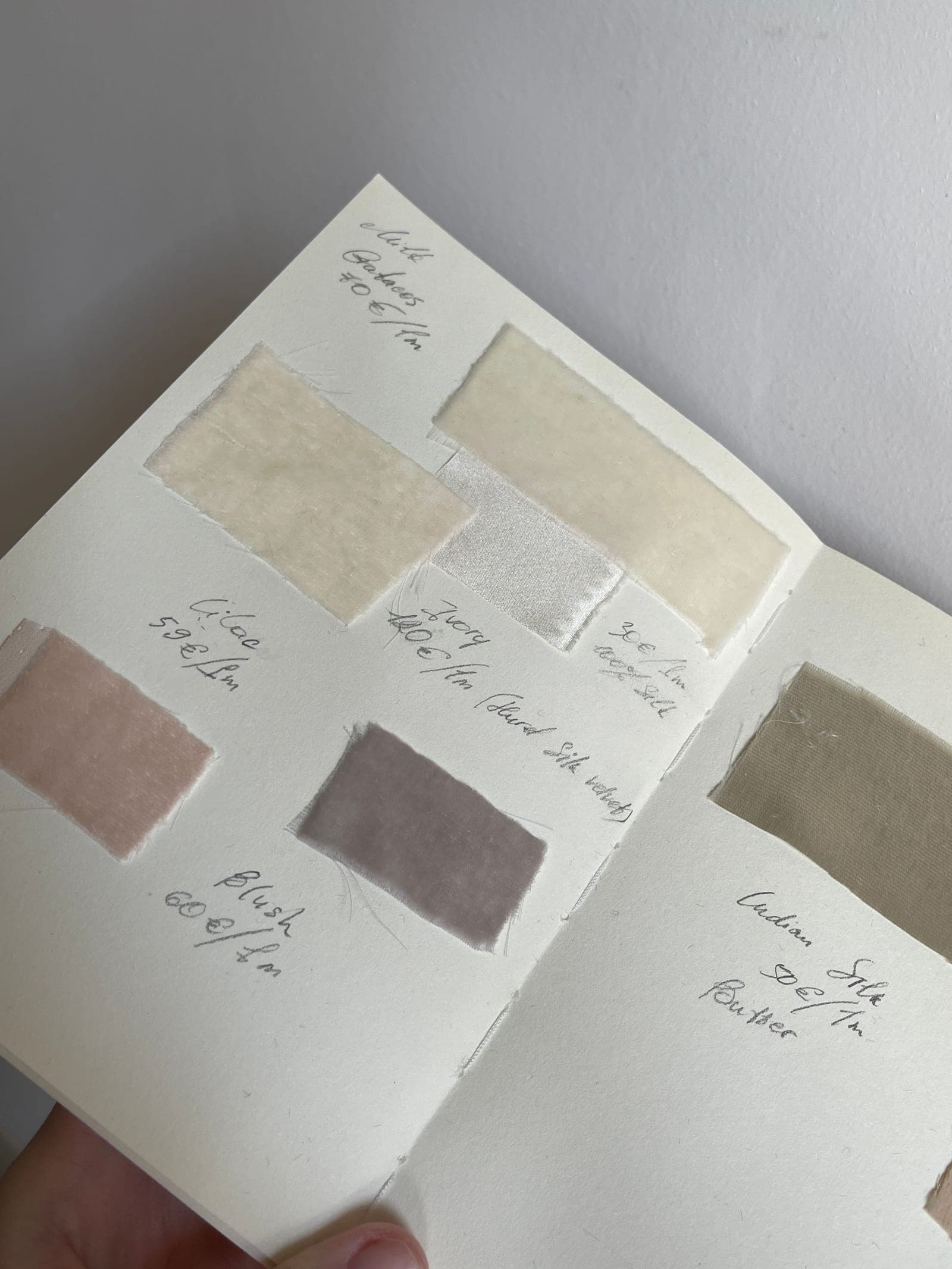
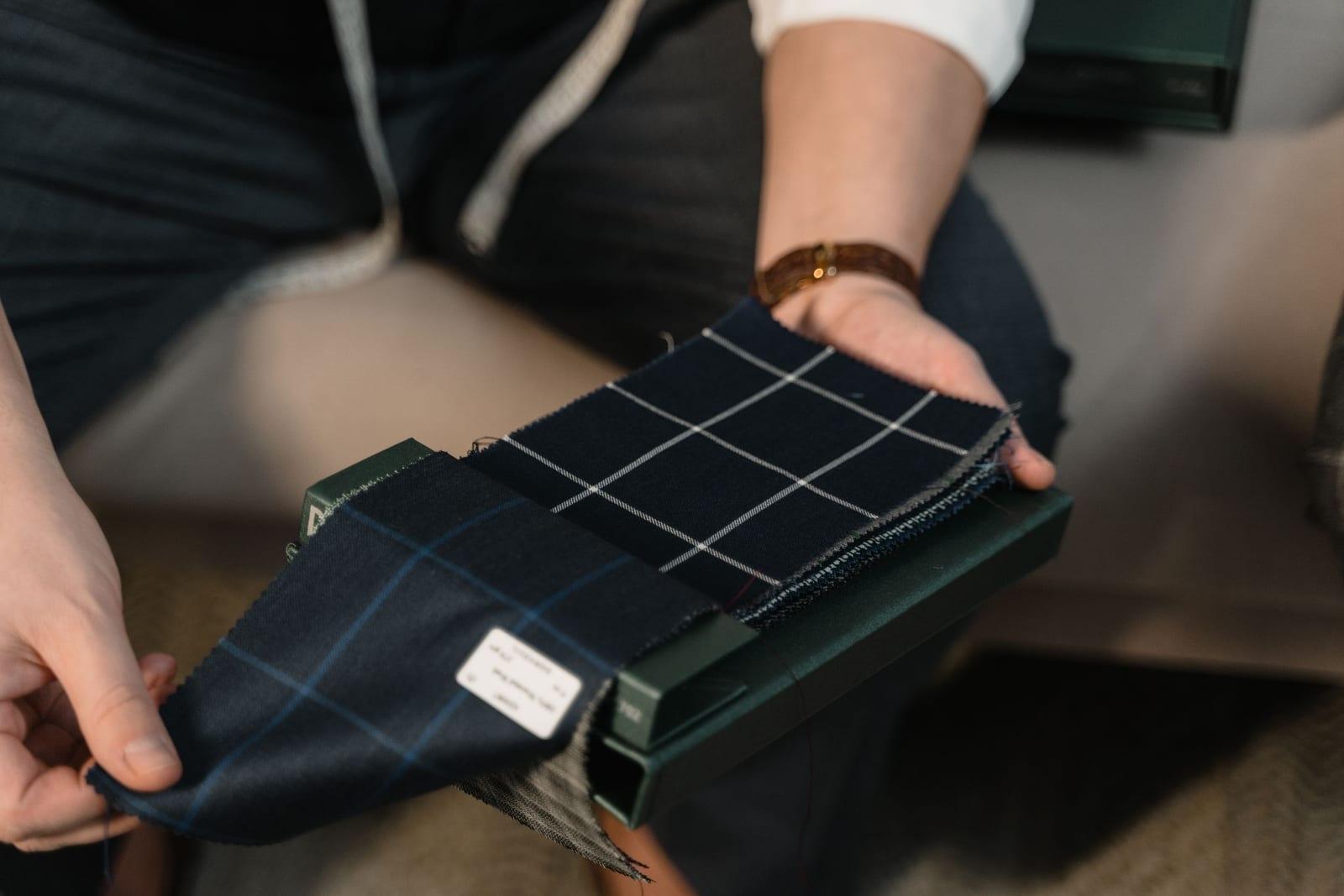
The process often starts with small samples for pattern and colour trials, then moves on to a sample length large enough for a sample garment to be sewn. On the sample, it is advisable to check the colour under different light sources, rub the surface by hand, carry out a crease test and, if possible, have a trial piece sewn. Because effect yarns can show natural variation between batches, the acceptable range and the approved reference sample need to be clearly defined from the outset. You can find the steps to follow from sample approval to bulk production in the sample-to-bulk production checklist guide.
How Should You Brief the Manufacturer?
A good brief turns "we want a fancy fabric" into information that can be measured and discussed:
- Target product and end use (e.g. women's jacket, autumn/winter)
- Physical reference fabric, photos or a moodboard
- Description of the desired effect (bouclé, melange, dobby, brushed surface, etc.)
- Composition requirements or limits
- Target fabric weight (GSM) range and description of the hand
- Colour references and number of colours
- Pattern scale and repeat requirements
- Estimated quantity and breakdown by colour
- Lead times for samples and bulk production
- Target cost range
- Care and wear expectations
We cover the general framework for preparing a brief in detail in our guide to the technical brief before contract manufacturing. You can read about our production approach for fancy fabrics and collection-specific production on the production page, and share your project with Arkadaş Tekstil through the quote request form.
Frequently Asked Questions
Is fancy fabric a specific type of fabric?
No. Fancy fabric is a broad trade term for fabrics that stand apart from standard, plain constructions through yarn, texture, pattern or surface effect. Which fabrics fall within its scope can vary depending on the manufacturer and the collection context.
Is fancy fabric only used in womenswear?
No. Although it is common in womenswear, it is also frequently chosen for menswear items such as sports jackets, blazers and waistcoats. Textured and patterned fancy fabrics are found in outerwear as well.
Are fancy fabrics harder to care for?
Not always, but fabrics with a pronounced surface effect can be more sensitive to abrasion, ironing and washing. Care instructions should be determined according to composition and construction, and wear trials should be carried out at the sample stage.
Is it possible to produce fancy fabric in small quantities?
It depends on the fabric's construction, the supply conditions of the yarns used and the manufacturer's working model. Sharing the quantity, number of colours and lead time from the start allows the manufacturer to make a realistic assessment.
What information is needed when requesting a quote for fancy fabric?
At a minimum, you should share the target product, a reference sample or image, a description of the desired effect, composition and fabric weight expectations, the number of colours, the estimated quantity and the lead time. The clearer the information, the faster the quotation and sampling process moves forward.
Related Guides
Production
What Information Should You Give Your Manufacturer Before Contract Manufacturing Starts?
A practical brief checklist of product, fabric, quantity, sample, lead time, quality and shipment details to give a manufacturer before contract manufacturing.
8 min read
Collection & Sourcing
From Fabric Sample to Bulk Production – A Checklist for Buying Teams
The colour, fabric weight, width, hand, approval record and lead time checks buying teams need when approving a fabric sample and moving to bulk production.
8 min read
Fabric Knowledge
What Is Suiting Fabric? What to Look for When Choosing It
How to assess fibre composition, weight, hand, drape and season when choosing suiting fabric. A sample and information guide for sourcing teams.
8 min read